Always on organizational intelligence
Dex Agents connect your systems and keep Nexus current. Approved work becomes entities, procedures, and trajectories.
Turning decisions, data, and operating logic into legible infrastructure for agents and teams.
Brand and Visual Designer
Design Engineer
Tongfei Zhu
Thirdlayer Team
August 2026 – Ongoing
Figma
Cursor
Brand
Problem
Systems of record capture what happened. Agents need the decisions, context, handoffs, and judgment behind each outcome to act reliably and improve.
Solution
Thirdlayer turns decisions, data, and operating logic into something humans and agents can both read. Companies already have precedents, relationships, workflows, and a definition of good work. The platform captures that operating intelligence and keeps it current.
Dex is the execution layer: shared agents, custom apps, team skills, and humans in the loop. Approved work becomes entities, procedures, and trajectories. Nexus is the context engine: a living graph of people, companies, projects, relationships, and the judgment sitting behind them. Each run is captured so the next agent performs against how the enterprise actually works.
LANDING PAGE
Thirdlayer didn’t have a landing page, so I built thirdlayer.inc from scratch. The brief was a doc that laid out the sections the site needed. From that I came up with the design system and branding, then the animations, mockups, and other renders that hold the page together.
Below are some of those components, demos, and interactie visuals that illustrate features of Thirdlayer and show how the context engine lives in the enterprise.
Dex Agents connect your systems and keep Nexus current. Approved work becomes entities, procedures, and trajectories.
Every run is captured: context, tools, decisions, approvals, and results. Agents train and execute against how your enterprise actually works.
Real outcomes become evaluation and reward. Each workflow sharpens the context so the next agent performs better than the last.
Conversations, commitments, and follow ups in one current picture.
Pipeline state kept current across CRM, email, meetings, and Slack.
Candidate context preserved across sourcing, interviews, and decisions.
Nexus
The old Nexus visual didn’t hold up once the product had to feel real. Ontology and company knowledge only land if you can actually see a company as a graph. I replaced that with this interactive view: drag to orbit, filter people, skills, workflows, decisions, conversations, and apps. Same UI as the Nexus section on thirdlayer.inc.
Drag to orbit
Branding
I started with color, using Thirdlayer’s fonts. Palette, grain, and organic gradients had to exist first. Those stills became the atmosphere for the landing page and everything that followed.




Then I built an isometric, gradient, clean system around what was already shipping. Dex already had a product and a UI. Type, drawing, and the blog visuals had to sit on top of that so the site, the product, and the writing felt like the same company.
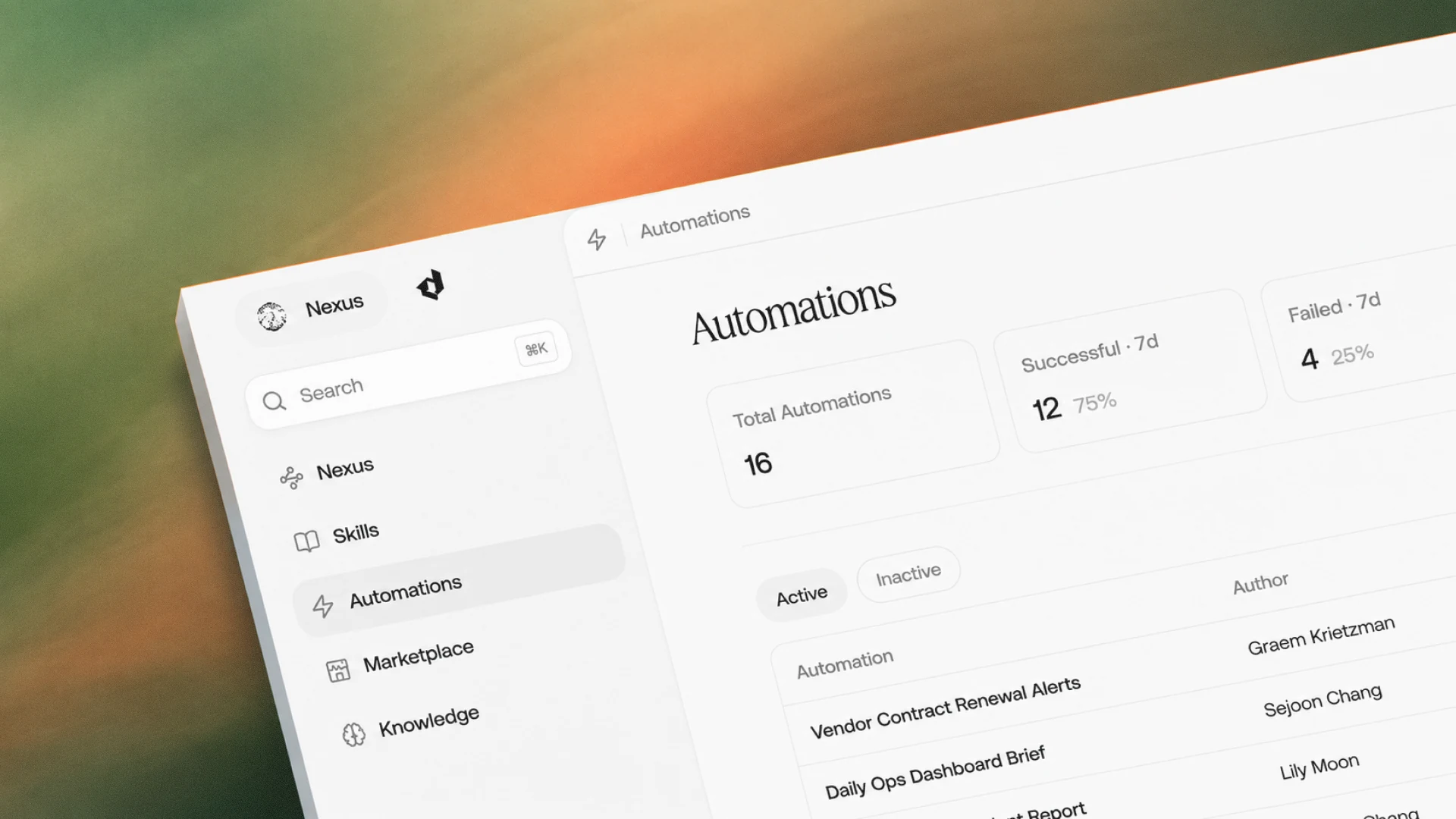
Introducing Automations
OpenClaw’s Wave on Agentic AI
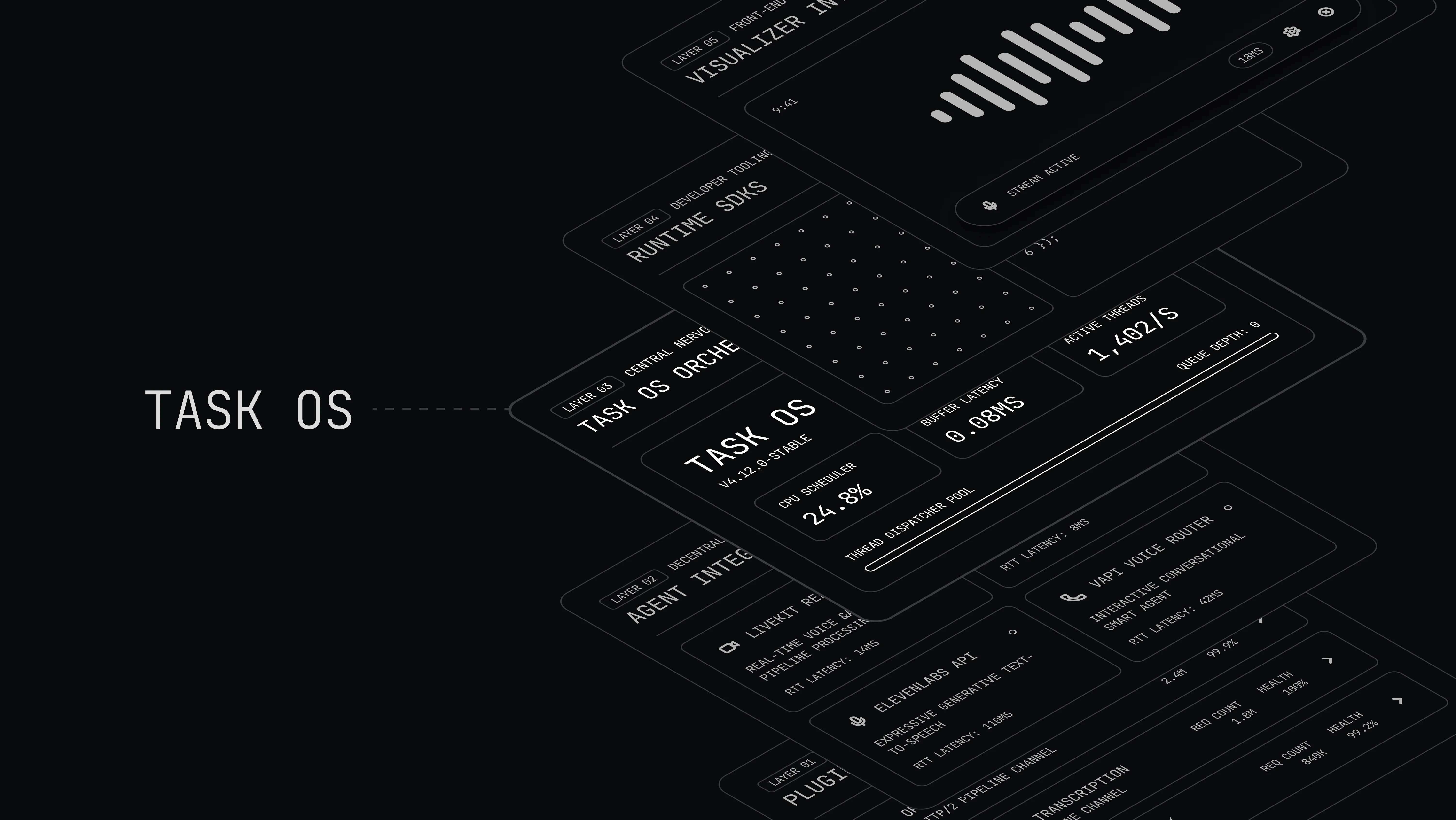
Meet TaskOS
Introducing the New Dex

How do you coordinate across the full picture?
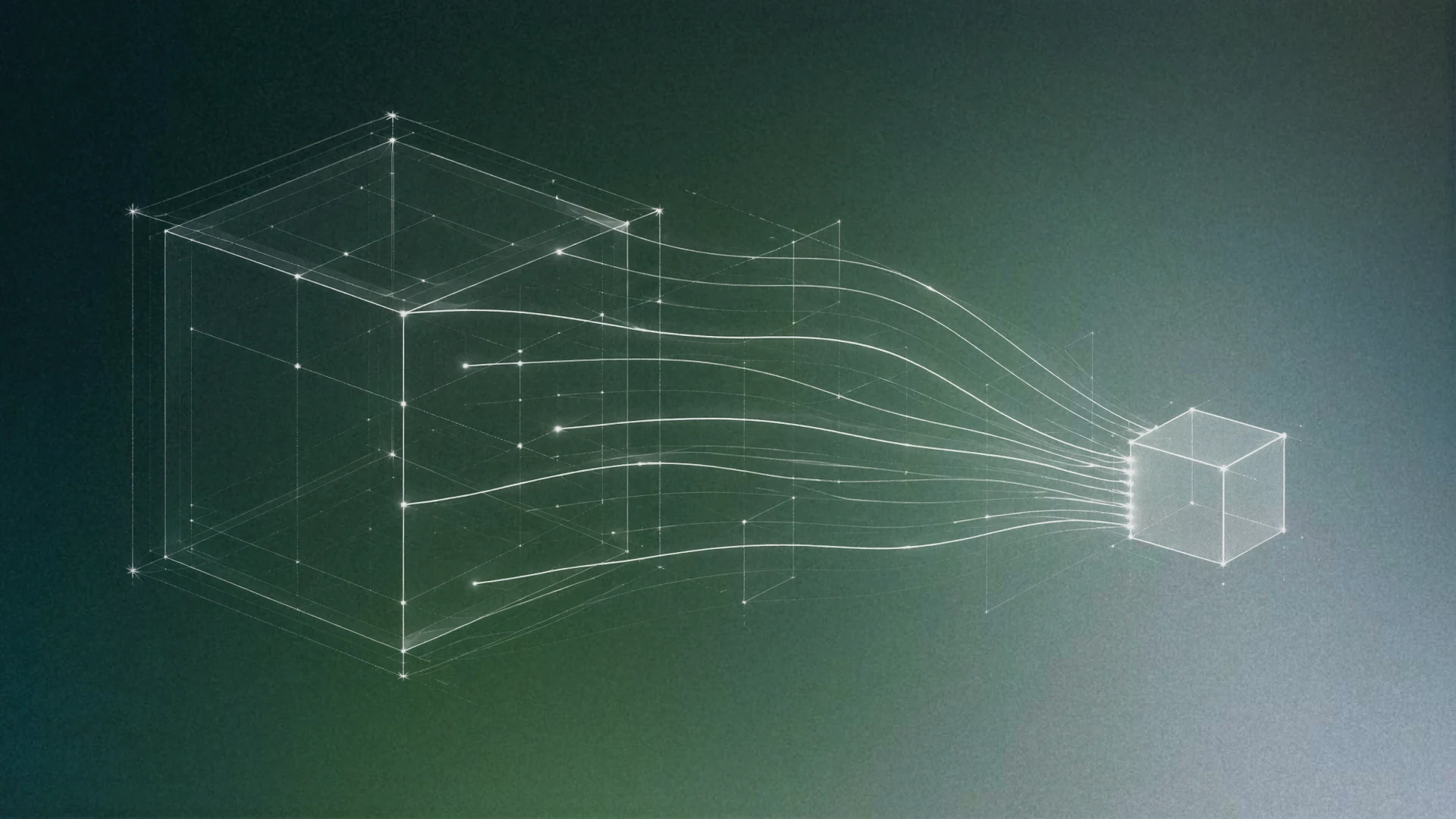
The Zeigarnik Effect
Takeaways
I’m glad I got to work on this over the summer. The team moves fast, the content keeps changing, and there is a lot of non-stop work to keep up with. It can be a lot, but seeing my efforts go live on thirdlayer.inc makes it all worth it.
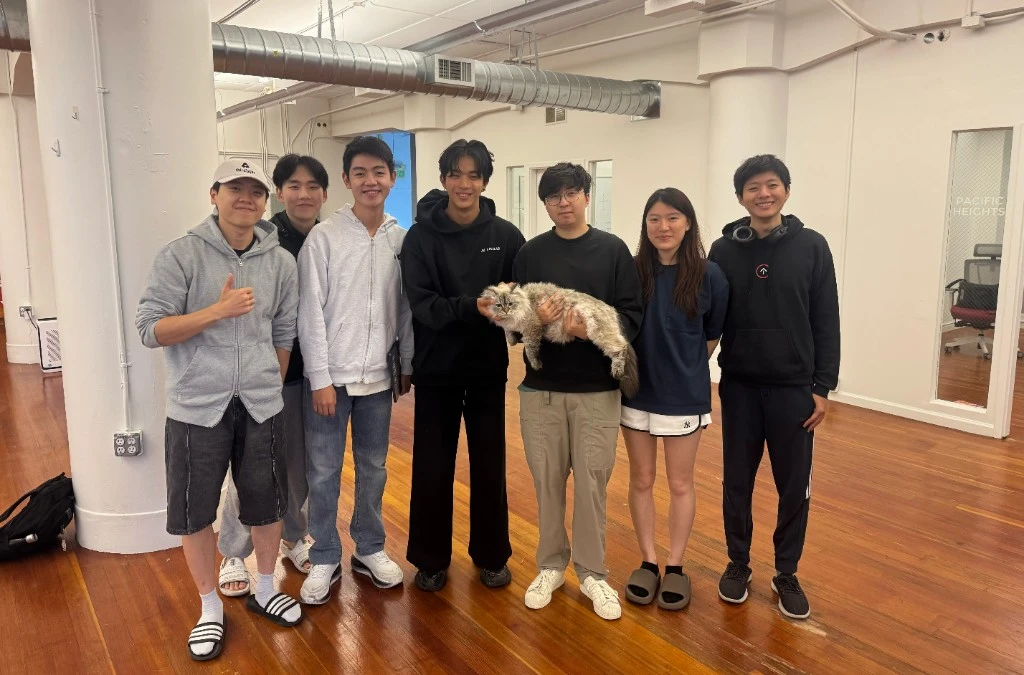
I’m grateful I could visit the SF office! The cat is so cute.. Going forward, I’m still working on branding and visuals, and I'm starting to implement some product design changes too.